
Moving guide · Hiring a mover
Is Hiring Movers Worth It for a Local Move?
A local move looks like something a few friends and a rented truck can handle. Sometimes it is. Here is how to tell when hiring a crew makes more sense.
The short answer
Hiring movers is usually worth it when the move involves heavy furniture, stairs or an elevator, a full house, a tight key-handover window or anyone who should not be lifting. A small, ground-floor move with willing helpers can be done yourself. Labor-only help sits in between: you rent the truck and a crew does the lifting.
Price matters, but it is only one column. The real comparison is the whole day: the truck, the fuel, the equipment, the helpers, the time off work, the risk to your back and your floors, and what happens if the day runs long. Put those side by side and the answer is usually clear.
What does a do-it-yourself local move involve?
More than the truck. You reserve it, collect it, fuel it and return it by the deadline. You rent or borrow dollies, moving pads and straps, and you learn how to load a box truck so nothing shifts on the first corner. Somebody has to drive it, back it into a driveway and find a place to park it at both ends.
In Connecticut there is one more rule to plan around: rental trucks and trailers are barred from the Merritt and Wilbur Cross parkways, so a route that is quick by car can be longer in a truck. Then there are the helpers. Friends who are free in the morning may be gone by the afternoon, and the heavy pieces always seem to be left for last.
When is hiring movers clearly worth it?
The strongest reasons are about access and weight, not distance. A crew earns its keep on the parts of a move that are slow, awkward or risky for untrained lifters.
- Stairs: a second- or third-floor walk-up, like the two- and three-family houses common in New Haven and Waterbury
- Buildings with elevator reservations, loading windows or a certificate of insurance request
- A whole house, with a full basement, garage or attic
- Heavy pieces: sleeper sofas, solid-wood dressers, appliances, anything that needs taking apart
- A tight schedule, such as a closing and a move on the same day
- A long carry from the truck to the door, or a steep driveway
- Anyone in the household who should not be lifting
When can you reasonably do it yourself?
A studio or small one-bedroom on the ground floor, with few large pieces, a flexible date and helpers who have done it before, is a fair job to take on yourself. So is a move where most of your furniture is staying behind or being replaced.
Even then, it is worth being honest about the one or two pieces that could go wrong: the sofa that barely fit through the door, the dresser nobody wants to carry down the stairs. Some households move the boxes themselves and book help only for the heavy furniture.
Is labor-only help a middle ground?
Often, yes. With labor-only moving help, you arrange and drive the rental truck or book the storage container, and a trained crew does the lifting, wrapping and loading. A well-packed truck or container is tight and balanced, which protects your furniture on the road and lets more fit in one trip.
It suits people who are comfortable driving a box truck, or who are using a container that is delivered and collected for them. The guides on full-service versus labor-only moving and loading a moving container go through the details.
What does a professional crew do that friends usually cannot?
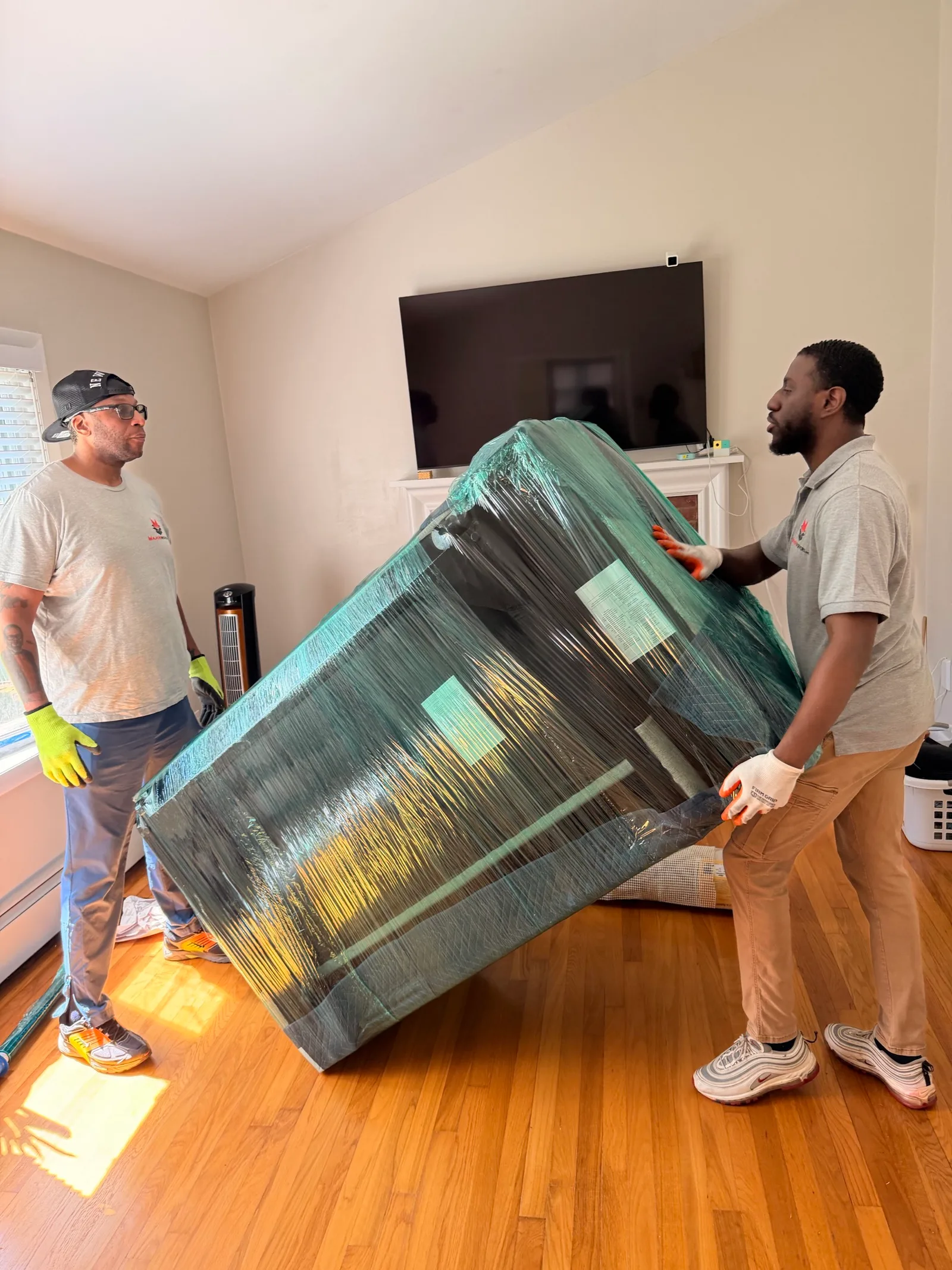
Most of the difference is technique and equipment. A crew arrives with pads, stretch wrap, dollies and straps, wraps each large piece before it moves, and knows how to take a bed frame or a table apart and put it back together. On stairs, two people who carry together every day move a dresser more safely than four friends negotiating each step.
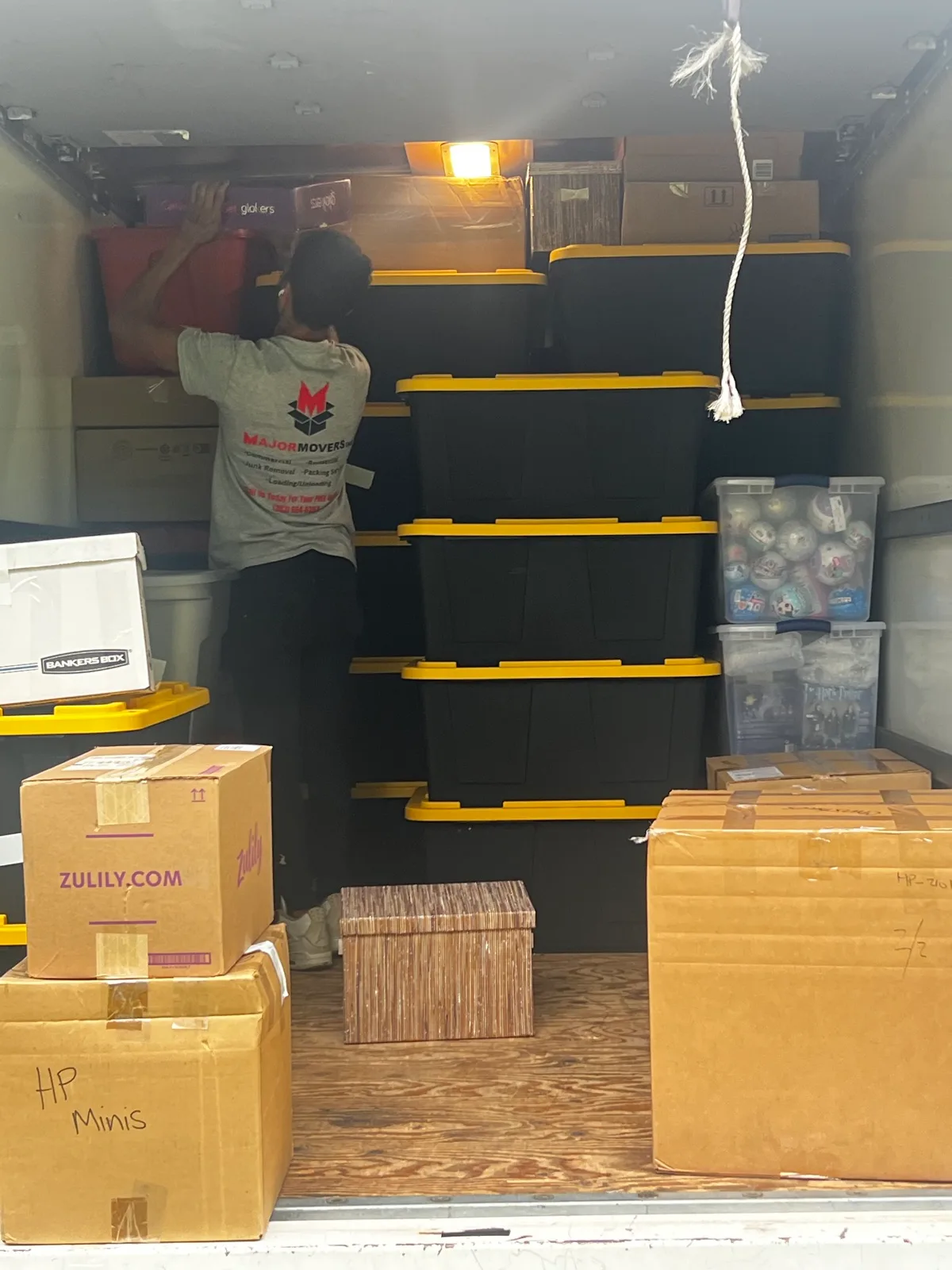
Loading is the other skill. Heavy pieces go in first against the front wall, mattresses and tabletops stand on edge, and boxes fill the gaps tier by tier so nothing slides. A crew also protects the house on the way out: door frames, banisters and floors take less damage when someone is watching the corners. And a crew keeps going when the day runs long, which is exactly when volunteer help starts to fade.
Does the time of year change the answer?
It can. Summer is the busiest season for household moves in Connecticut, and the last days of each month are busy all year because leases turn over, so book early if you want a crew for those dates. In winter, snow and ice make every carry slower and riskier, which pushes the balance toward hiring help; the guide to moving in a Connecticut winter covers parking bans, walkways and floor protection. A mid-month weekday in spring or fall is the easiest time to do it either way.
How do you compare the options fairly?
Write both versions down. For a do-it-yourself move, list the truck rental, mileage, fuel, equipment, any storage, the helpers and the days off work. For hiring movers, get a written estimate built on your real inventory and the access at both addresses, not a guess over the phone. The guide to comparing moving quotes explains what to check.
Then compare the risk. A dropped dresser, a gouged hardwood floor or a strained back all cost something, even if they are not on the first list. If the numbers are close, the easier day usually wins. For a full-service move, see local moving or residential moving for what the crew handles.
Before you decide
- Count the stairs, elevators and long carries at both addresses.
- List the heaviest five pieces and whether they come apart.
- Price the truck, fuel, equipment and days off for a do-it-yourself move.
- Get a written estimate from a mover using the same inventory.
- Ask about labor-only help if you are happy to drive.
Common questions
General guidance. Your own route, date and access still need confirming directly.
Is it cheaper to move yourself?
The truck rental on its own is usually less than a full-service estimate, but add fuel, equipment, helpers, time off work and the cost of any damage or injury before comparing. Get a written estimate based on your actual inventory and compare the whole day.
What size of move is worth hiring movers for?
Size matters less than access and weight. A third-floor one-bedroom walk-up can be harder than a ground-floor two-bedroom. Stairs, elevators, long carries and heavy pieces are the usual reasons to hire a crew.
Can I hire movers just for loading?
Yes. Labor-only help covers loading or unloading a rental truck, a storage container or a storage unit, and moving furniture inside a home. You arrange and drive the vehicle.
Can a rental truck use the Merritt or Wilbur Cross Parkway?
No. Connecticut bars rental trucks, trailers and commercial vehicles from both parkways. Plan your route on the interstates and local roads.
Sources and useful references
- CTDOT: parkway vehicle restrictions
Check the official restrictions before planning a moving-truck route on a Connecticut parkway.
- CTDOT: household goods movers and estimates
CTDOT explains written quotes, mover verification and questions about damage coverage.
Planning a move?
Get a quote from Major Movers.
Share the route, the date and the help you need, and someone follows up to confirm the details and availability. Based in Hamden, serving all of Connecticut.
Read next
The guides people open after this one.

Ready when you are
Make the next move feel manageable.
Send your move details in a couple of minutes, or call and talk it through.